
Uncategorized
Retatrutide Price
Sep
Retatrutide Price Breakdown: Expected Costs, Insurance, and FDA Approval Timeline
As next-generation metabolic treatments transform chronic weight management and diabetes care, Retatrutide (LY3437943) has emerged as the most anticipated pharmaceutical pipeline asset in development. Developed by Eli Lilly, this single-molecule “triple agonist” activates three distinct hormone pathways—GLP-1, GIP, and glucagon—earning it nicknames like “Triple-G” and the “Godzilla” of weight loss therapies.
With Phase 3 TRIUMPH clinical trial data showing unprecedented body weight reductions exceeding 28%, patients and healthcare providers alike are asking a primary question: What will the Retatrutide price be when it officially hits pharmacy shelves?
In this post, we explore realistic commercial pricing expectations, cost factors, insurance coverage projections, gray-market research pricing, and the timeline for official FDA launch.
What Is Retatrutide and Why Is Demand So High?
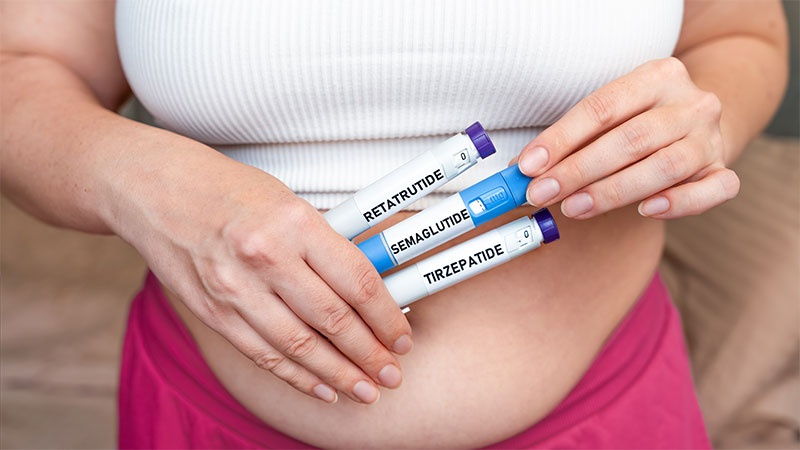
To understand its anticipated commercial valuation, it helps to understand how Retatrutide differs from existing metabolic treatments:
- Single-Agonist (Semaglutide / Ozempic, Wegovy):Targets GLP-1 receptors to slow gastric emptying, manage blood sugar, and reduce appetite.
- Dual-Agonist (Tirzepatide / Mounjaro, Zepbound):Targets GLP-1 and GIP receptors, enhancing insulin secretion and fat processing.
- Triple-Agonist (Retatrutide):Targets GLP-1, GIP, and Glucagon receptors simultaneously.
By incorporating the glucagon receptor, Retatrutide boosts energy expenditure and resting metabolic rate while maintaining appetite suppression. Clinical results from late-stage trials have demonstrated average weight losses of 28.3% over 80 weeks at the 12 mg dose, surpassing current market leaders.
┌────────────────────────────────────────────────────────────────────────┐
│                        EVOLUTION OF INCRETINS                          │
├────────────────────────────────────────────────────────────────────────┤
│ Single-Agonist (Semaglutide) ──► ~15% Avg Weight Loss                  │
│ Dual-Agonist   (Tirzepatide) ──► ~20.9% Avg Weight Loss                │
│ Triple-Agonist (Retatrutide) ──► Up to 28.3% Avg Weight Loss          │
└────────────────────────────────────────────────────────────────────────┘
Projected Retatrutide Retail Price at Commercial Launch
Because Retatrutide is an investigational drug still navigating late-stage regulatory steps, Eli Lilly has not released an official list price (WAC – Wholesale Acquisition Cost). However, financial analysts, pharmaceutical economists, and healthcare policy experts estimate the retail price based on current pricing for first- and second-generation incretin therapies.
Expected Monthly List Price Range
Industry benchmarks suggest Retatrutide will launch at a list price between $1,100 and $1,400 per month out-of-pocket without insurance coverage.
Comparative Pricing: Current Incretin Medications
| Medication | Primary Agonists | Estimated Monthly Retail Price (WAC) | Typical Cash / Savings Card Price |
| Wegovy (Semaglutide) | GLP-1 | ~$1,350 / month | $650 – $900 / month |
| Zepbound (Tirzepatide) | GLP-1 + GIP | ~$1,060 / month | $550 – $650 / month |
| Retatrutide (Projected) | GLP-1 + GIP + Glucagon | $1,100 – $1,400 / month | $600 – $800 / month (Expected) |
Key Factors Shaping the Final Retail Cost
- Efficacy Premium:Because Retatrutide provides superior weight loss outcomes compared to single and dual agonists, Eli Lilly holds strong pricing power.
- Competitive Pressure:With rival pharmaceutical companies developing oral GLP-1s and dual/triple-agonist combinations, premium pricing will be balanced against long-term volume market share.
- Manufacturer Savings Programs: Just as Eli Lilly offers copay savings cards for Zepbound and Mounjaro, a commercial savings card program is expected to reduce out-of-pocket costs to $550–$650/month for commercially insured patients whose plans lack full coverage.
Will Insurance Cover the Retatrutide Price?
Insurance access remains the single largest factor determining what individual patients will pay for Retatrutide.
Commercial Health Insurance
For patients with employer-sponsored or private insurance, coverage will depend heavily on whether their plan includes weight management benefits:
- Plans covering anti-obesity medications (AOMs): Patients with copay benefits may pay $25 to $100 per month after meeting deductibles.
- Plans with AOM exclusions: Patients whose employers exclude weight loss drugs from their formulary will face the full out-of-pocket retail price (minus potential manufacturer discount cards).
Medicare and Medicaid Status
Under current federal statutes, Medicare Part D is legally restricted from covering medications prescribed solely for chronic weight management. However:
- Cardiovascular & Metabolic Expansions:If Retatrutide receives FDA approvals for secondary indications—such as non-alcoholic steatohepatitis (MASH/NASH), obstructive sleep apnea, or cardiovascular risk reduction—Medicare Part D coverage may apply under specific clinical criteria.
- State Medicaid Variations:Coverage varies significantly by state, with an increasing number of state Medicaid programs adopting broader obesity medication access models.
The Gray Market & Research Peptide Costs: What You Need to Know
Because official pharmacy supplies are unavailable prior to FDA regulatory clearance, a parallel “research peptide” market has emerged. Unregulated online vendors market lyophilized (powdered) Retatrutide labeled “for laboratory research only”.
Research Chemical Pricing vs. Approved Commercial Pricing
- Research Vials: Vendor pricing ranges from $9.75 to $12.00 per milligram. For example, a 10 mg research vial often sells for $100, while a 20 mg vial sells for around $195.
- Monthly Research Supply: At higher trial-like doses (e.g., 8 mg to 12 mg per week), gray-market material costs run between $390 and $580 per month.
Crucial Medical & Regulatory Warning: The FDA, health authorities, and medical professionals strongly advise against purchasing unapproved “research” peptides. Unregulated peptides lack sterile manufacturing controls, purity standards, and accurate concentration verification, carrying severe risks of contamination, dosing errors, and serious adverse reaction. Retatrutide is currently safe and legal to receive only as an enrolled participant in an official clinical trial.
Expected Retatrutide Approval and Launch Timeline
Understanding when official pricing will be established requires looking at Eli Lilly’s clinical trial progress and regulatory roadmap.
Pivotal Phase 3 TRIUMPH Trial Completion
Mid-2026
Primary endpoints and top-line data for major phase 3 trials (including TRIUMPH-1 and TRIUMPH-2) wrap up, establishing safety and efficacy datasets for regulatory review.
NDA / BLA Regulatory Filing
Late 2026
Eli Lilly submits the formal New Drug Application (NDA) or Biologics License Application (BLA) to the U.S. FDA.
FDA Review & Decision
Mid-2027
Following a standard 10-month review (or a 6-month priority review window), the FDA issues its regulatory decision.
U.S. Commercial Launch & Pharmacy Availability
Late 2027 – Early 2028
Production rollout occurs, official list prices (WAC) are posted, and FDA-approved prescription pens become available at retail pharmacies.
How to Get Access Prior to Commercial Launch
Until Retatrutide receives formal FDA approval and retail pricing, patient access is limited to ethical medical research channels:
- Clinical Trial Enrollment:The safest, legal way to access pharmaceutical-grade Retatrutide is by joining an active Phase 3 clinical study (such as the TRIUMPH trials). Trial participants receive the investigational medication, medical monitoring, and trial-related lab work at no out-of-pocket cost.
- Consulting a Specialist:Individuals seeking current weight management options can work with an endocrinologist or obesity medicine specialist to utilize FDA-approved treatments like Tirzepatide (Zepbound/Mounjaro) or Semaglutide (Wegovy/Ozempic) while awaiting Retatrutide’s official release.
Summary
When Retatrutide completes its Phase 3 trials and earns FDA approval, it is expected to sit at the top of the metabolic care market. Patients can anticipate an initial retail list price between $1,100 and $1,400 per month, with copay savings cards and insurance coverage lowering costs significantly for eligible individuals. As the expected mid-2027 approval window approaches, regulatory filings will provide full clarity on commercial pricing structure and manufacturer access programs.
